Stretching, Mobility and Recovery: Taking Care of Your Body
From hiking and running to endurance training, stretching and mobility can help you move more comfortably. Here's how I approach recovery and staying active.
When you’re passionate about being active, it’s easy to focus on the next workout, the next challenge or the next adventure. But I’ve learned that taking care of your body is just as important as pushing its limits.
Through running, cycling, swimming and spending time in the mountains, I’ve become more aware of the importance of mobility, stretching and recovery.
These habits might not be as exciting as crossing a finish line or reaching a mountain summit, but they can make a real difference in how comfortably and consistently we move.
Stretching Versus Mobility
Although they’re often mentioned together, stretching and mobility aren’t exactly the same thing.
Stretching focuses on improving or maintaining flexibility, helping muscles tolerate a greater range of motion.
Mobility is about actively moving your joints through their available range with control and strength.
Both have their place in an active lifestyle.
For example, flexible hips and ankles can make certain movements feel easier, while good mobility and strength help you control those movements during running, hiking or everyday activities.
Why Recovery Matters
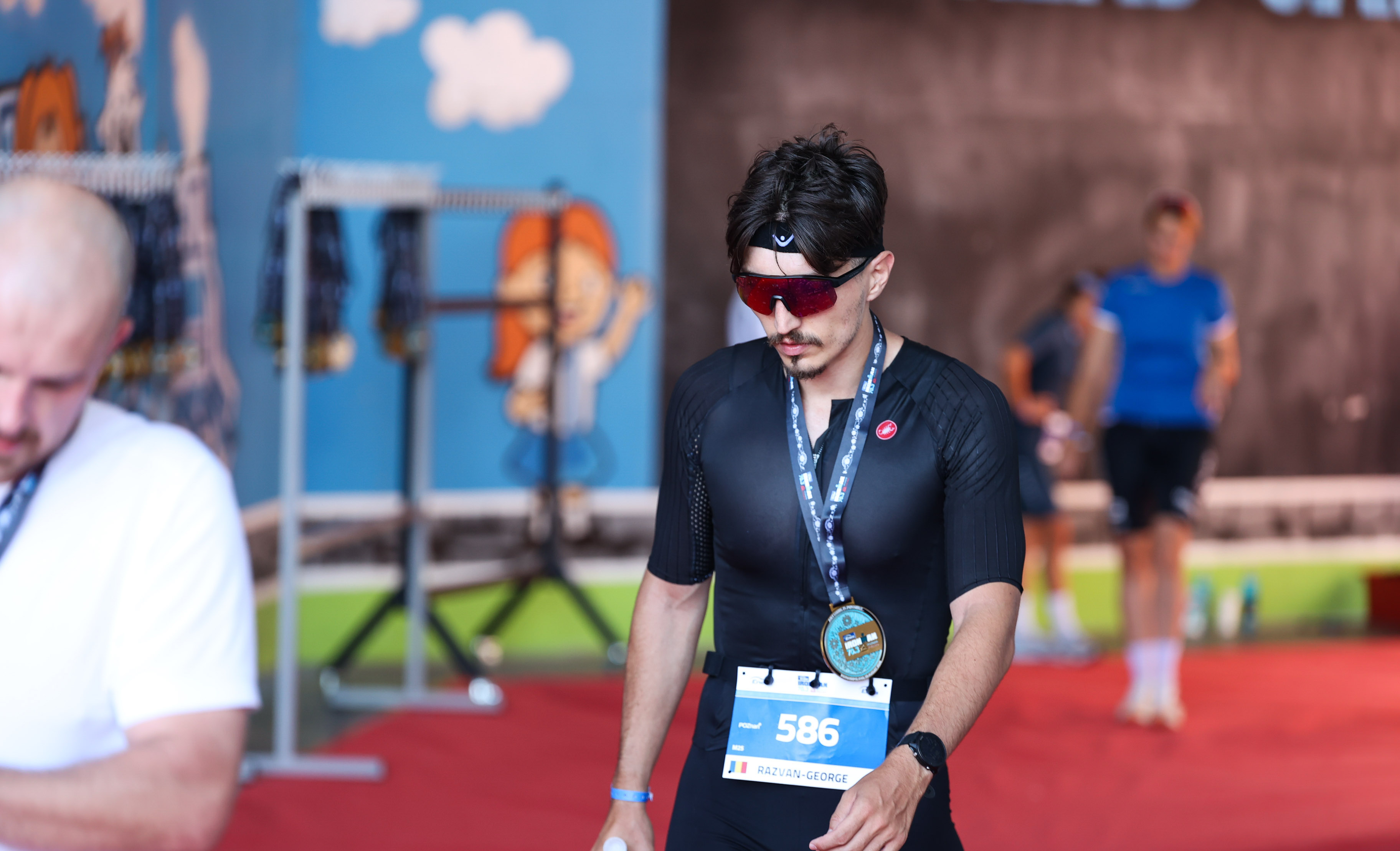
When preparing for my first Ironman 70.3, I learned that training isn’t only about how much effort you put in. It’s also about allowing your body enough time to adapt.
Hard sessions create fatigue, and recovery gives your body the opportunity to rebuild and prepare for the next challenge.
A few habits worth prioritising:
- Sleep: Give your body enough rest, especially during demanding training periods.
- Nutrition and hydration: Eat sufficiently and replace fluids after physical activity.
- Easy movement: Walking, gentle cycling or swimming can be enjoyable ways to stay active on lighter days.
- Mobility work: Maintain the ranges of motion you need for your favourite activities.
- Rest days: Sometimes doing less is exactly what your body needs.
Recovery isn’t about avoiding effort. It’s about making that effort sustainable.
When and How to Stretch
Not every stretching session needs to be long or complicated.
I find it useful to think about stretching differently depending on the situation:
- Before exercise: Start with easy movement and dynamic stretches that prepare you for the activity ahead.
- After exercise: Gentle static stretching can help you relax and work on flexibility, although it isn’t a proven way to eliminate next-day soreness.
- On recovery days: A short mobility session can be a good opportunity to move without the intensity of a full workout.
- After long periods of sitting: A few minutes of movement can help you feel less stiff.
The important thing is consistency rather than trying to achieve extreme flexibility.
A Simple Stretching and Mobility Routine
Here’s a short routine you can try after a walk, on a recovery day or whenever you feel like moving a little more.
- Cat-cow: Eight slow repetitions to move through the spine.
- Hip flexor stretch: Hold gently for 20–30 seconds on each side.
- Calf stretch: Hold for 20–30 seconds on each leg.
- Thoracic rotations: Six controlled repetitions per side.
- Hamstring stretch: Hold comfortably for 20–30 seconds on each leg.
Move slowly, breathe naturally and avoid forcing yourself into uncomfortable positions. Sharp pain is a reason to stop.
Taking care of your body isn’t separate from pursuing your goals. It’s part of being able to keep pursuing them.
Listen to Your Body
One thing endurance sports have reinforced for me is that progress doesn’t always mean doing more.
Some days are meant for challenging workouts. Others are better suited to easy movement, mobility or complete rest.
Persistent pain, unusual fatigue or declining performance can be signs that your training and recovery need attention.
Learning to recognise those signals is an important part of building a healthy, active lifestyle.
The Takeaway
I believe in challenging ourselves, stepping outside our comfort zones and discovering what we’re capable of achieving.
But doing that consistently also means respecting the physical demands we place on our bodies.
Stretching and mobility won’t solve every problem or prevent every injury, but they can support comfortable movement and help us maintain the flexibility needed for the activities we enjoy.
The goal isn’t simply to train harder. It’s to build a body that allows us to keep exploring, moving and taking on new challenges for years to come.