From Pain to Power: Why Suffering Is Necessary for Growth
Inspired by Nietzsche's philosophy and my own experiences, a reflection on why suffering, discomfort and overcoming adversity are essential to personal growth.
We spend much of our lives trying to avoid suffering. We seek comfort, security and predictability, often believing that a good life is one with as little pain and difficulty as possible.
But I’ve come to believe the opposite: suffering is not merely an unfortunate part of life. It is a necessary part of growth.
Without struggle, we rarely discover our limits. Without resistance, we have little reason to develop strength. And without confronting what frightens us, we may never discover what we’re capable of becoming.
This idea has shaped how I approach adventure, endurance sports and life itself.
Nietzsche and the Necessity of Suffering
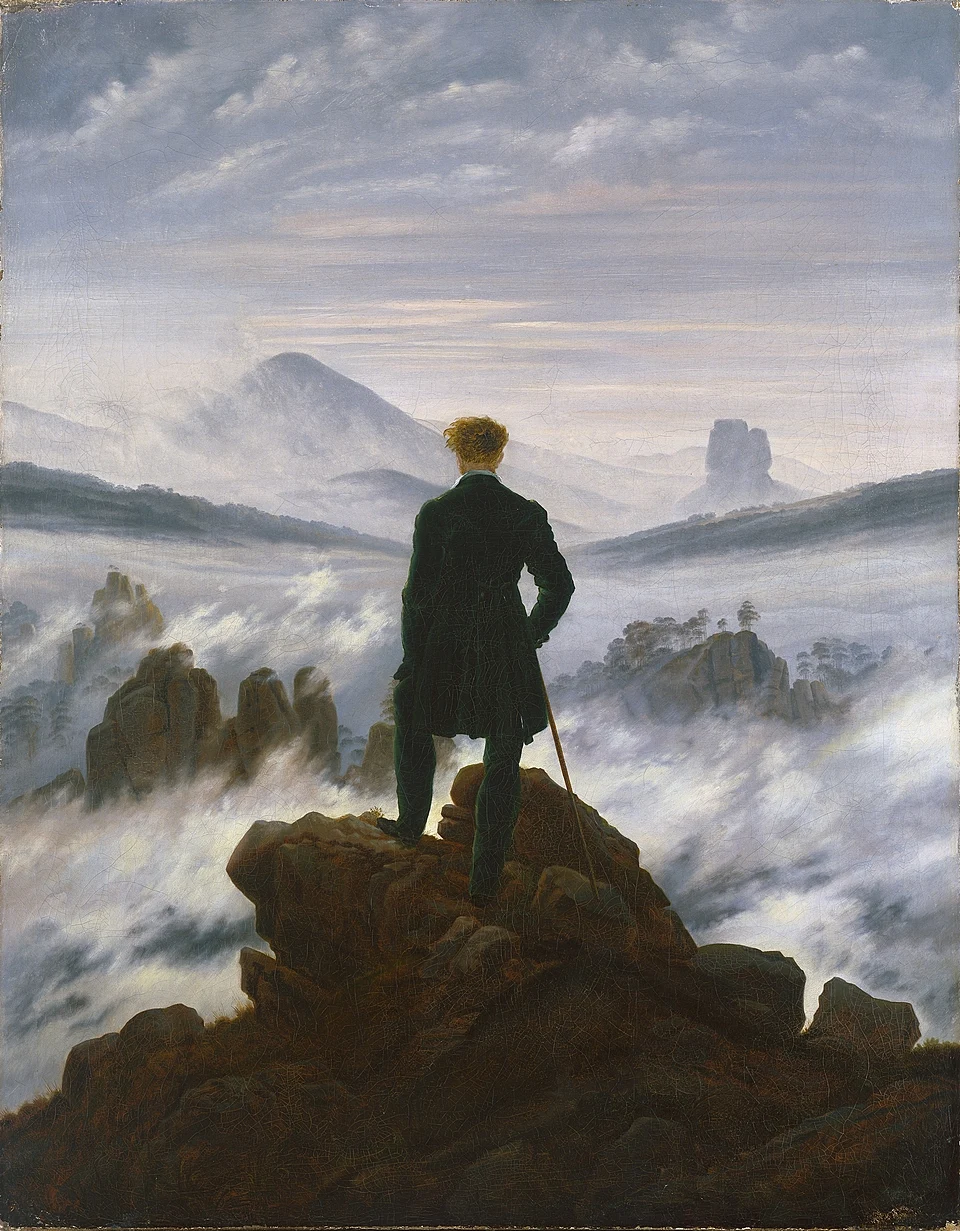
Friedrich Nietzsche challenged the idea that happiness and comfort should be our highest goals.
In Beyond Good and Evil, §225, he argued that great suffering has played an essential role in the development of human excellence.
For Nietzsche, becoming stronger doesn’t mean avoiding life’s difficulties. It means learning to endure, confront and transform them.
He understood suffering as something that can cultivate depth, courage, resilience and the capacity to overcome ourselves.
This perspective resonates deeply with me.
I don’t believe a meaningful life is one where everything comes easily. I believe we become who we are through the challenges we confront and the effort required to overcome them.
1. Growth Requires Resistance
Think about physical training. Our bodies adapt because we challenge them beyond what they’re accustomed to.
I believe something similar happens with our character.
Growth often demands:
- Discomfort: The willingness to leave familiar situations behind.
- Discipline: Continuing even when motivation disappears.
- Patience: Accepting that meaningful progress takes time.
- Courage: Confronting what we would rather avoid.
These qualities are difficult to develop if we never encounter resistance.
Comfort has its place, but remaining comfortable all the time can also mean remaining unchanged.
2. Confronting My Greatest Fear
For most of my life, water was one of my greatest fears. I didn’t know how to swim, and the thought of being in deep water genuinely terrified me.
Eventually, I decided I no longer wanted to live with that limitation.
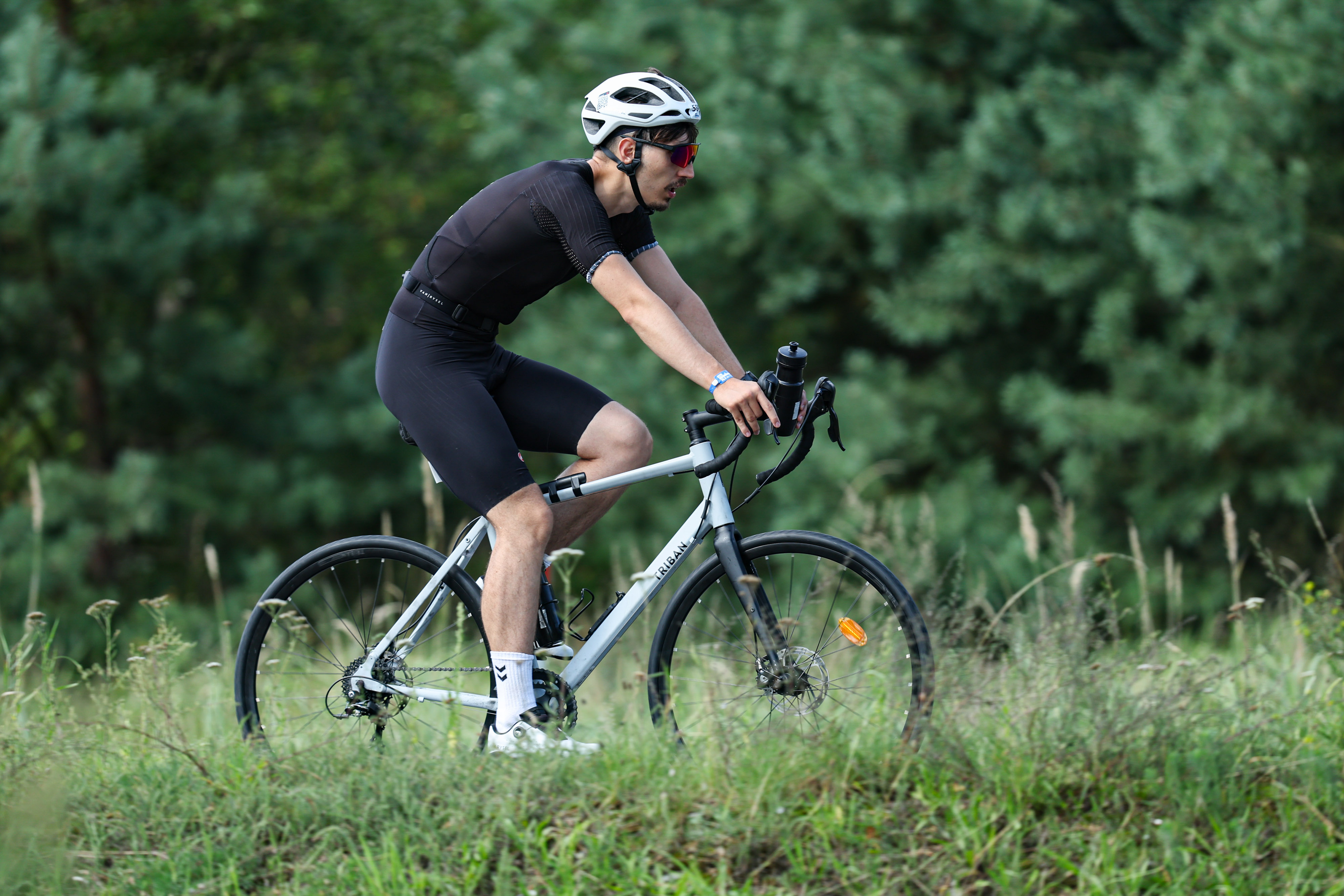
When I committed to completing an Ironman 70.3, I knew that learning to swim would be my greatest challenge.
Starting from zero was uncomfortable and intimidating. It required confronting something I’d avoided for years.
But that difficulty was precisely what made the experience transformative.
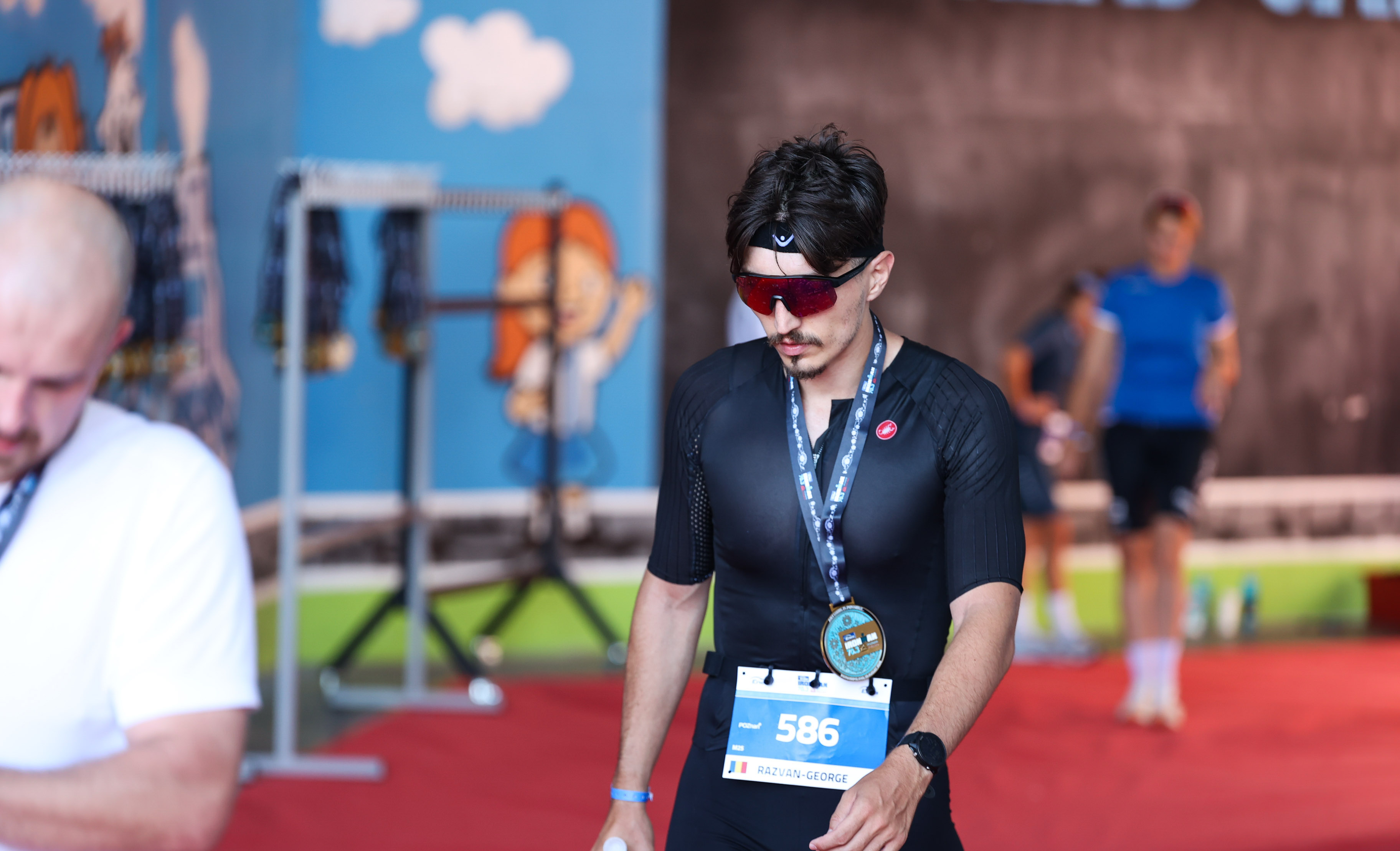
One year later, in 2026, I completed my first Ironman 70.3 in Poznań, Poland.
The finish line was meaningful not simply because I’d completed the race, but because I’d overcome something that once seemed impossible.
The challenge wasn’t just learning to swim. It was becoming someone who no longer allowed fear to decide what was possible.
3. We Cannot Grow Without Being Challenged
I believe meaningful personal growth requires us to confront some form of difficulty.
That doesn’t mean deliberately seeking unnecessary harm or believing that every painful experience automatically makes us stronger.
It means recognising that struggle, effort and the possibility of failure are inseparable from pursuing something worthwhile.
When facing a challenge, I try to remember three things:
- Don’t avoid something simply because it’s difficult. Difficulty can be a sign that you’re entering unfamiliar territory.
- Accept the process. Growth rarely happens immediately, and setbacks are often part of learning.
- Give the struggle meaning. Connect the effort you’re making to something you genuinely value.
We cannot always choose the suffering life brings us. But when we pursue meaningful challenges, we can choose to accept the difficulties that come with them.
4. The Relationship Between Suffering and Happiness
I also believe that hardship changes the way we experience happiness.
Achievement feels different when we’ve worked hard for it. Confidence means more when we’ve confronted fear. And moments of peace can feel more significant after periods of uncertainty.
This doesn’t mean we should romanticise suffering or ignore the need for rest, recovery and support.
Rather, I believe happiness and suffering are not simply opposites.
A fulfilling life can contain both. In fact, some of our most meaningful experiences involve considerable struggle before they bring satisfaction.
The goal, for me, isn’t to eliminate difficulty. It’s to build a life meaningful enough that the effort and discomfort involved are worth accepting.
The Takeaway
I believe suffering is necessary for growth because becoming more capable, resilient and self-aware requires us to confront things that challenge who we currently are.
My experience learning to swim and completing an Ironman 70.3 reinforced this belief, but the principle extends far beyond sport.
We all have fears to confront, goals to pursue and parts of ourselves we want to change.
Through Mootiph, I hope to encourage others not to run from every uncomfortable experience, but to recognise the possibility of growth within meaningful challenges.
We don’t become who we are by remaining comfortable. We become who we are through what we’re willing to confront, endure and overcome.