
The Courage to Become Who You Are: Lessons from Carl Jung
Inspired by Carl Jung's psychology, a reflection on self-discovery, confronting our fears and finding the courage to build a life that truly reflects who we are.
It’s easy to spend our lives following expectations. We choose familiar paths, adapt to what others expect from us and sometimes put aside the things we genuinely want to pursue.
But what happens when the life we’re living doesn’t reflect who we truly are?
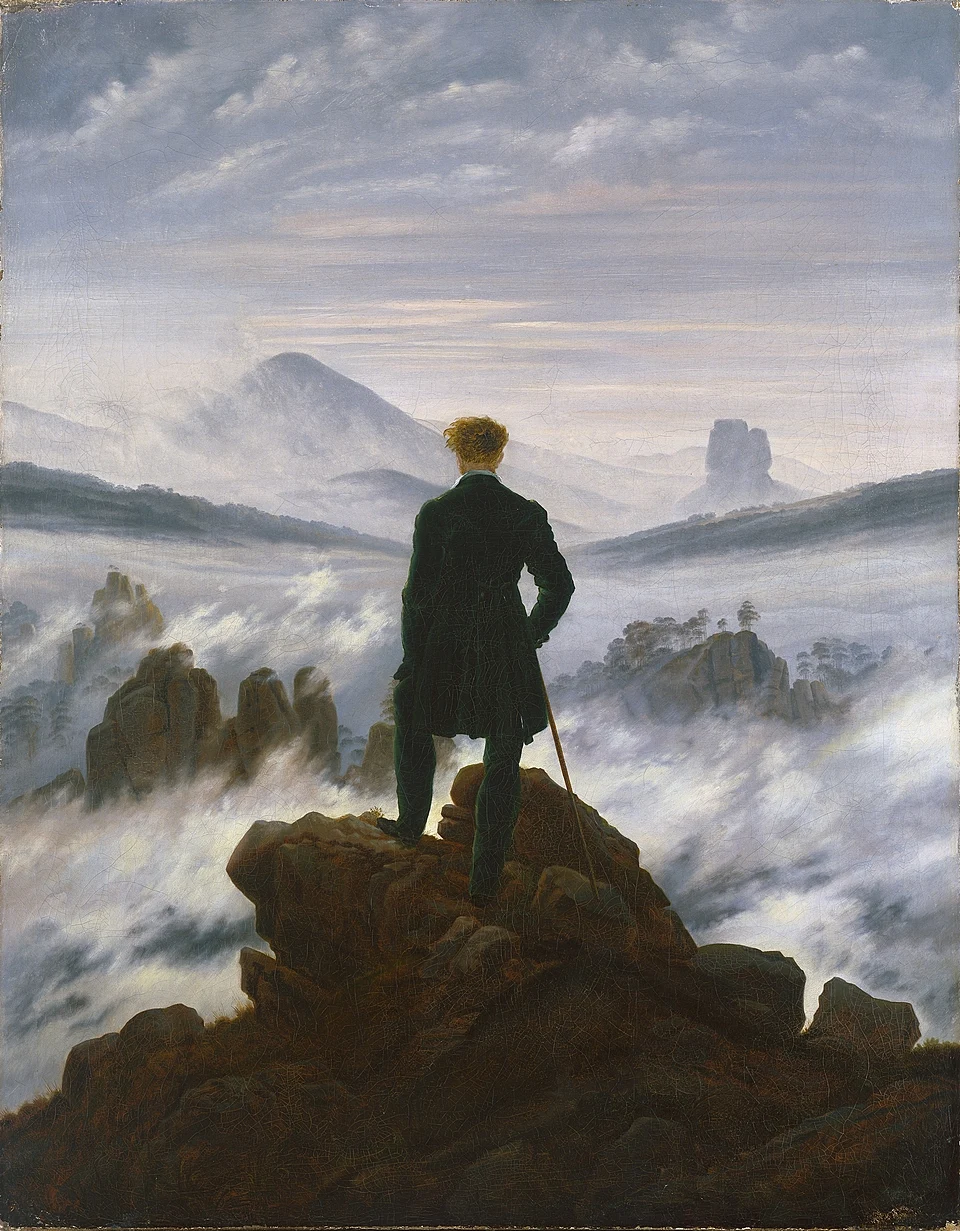
This question lies at the heart of Carl Jung’s psychology and one of his most important ideas: individuation, the lifelong process of becoming more fully ourselves.
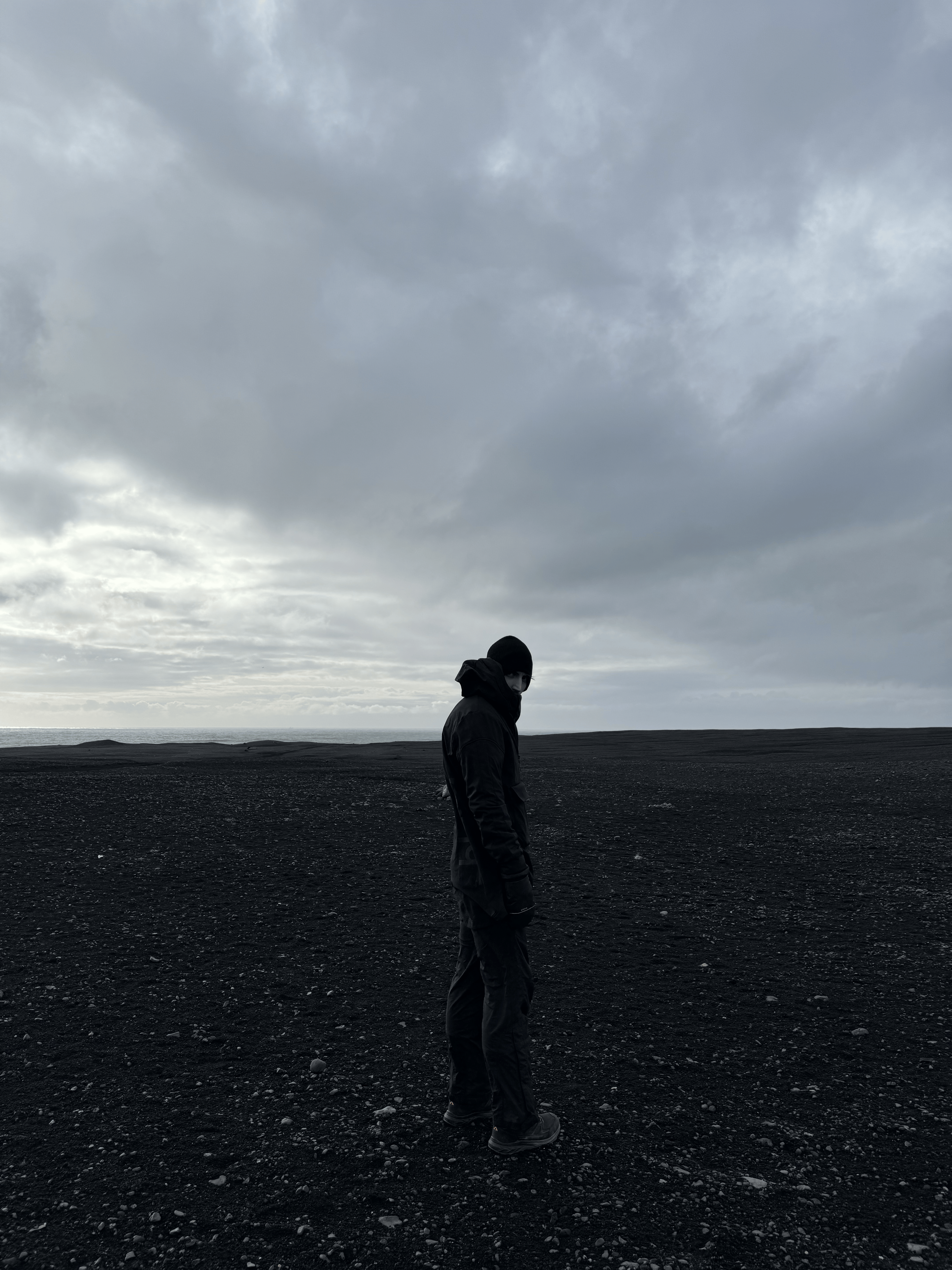
For me, this philosophy connects deeply with adventure, personal growth and the courage to step beyond what’s familiar.
The Unlived Life
Jung believed that becoming ourselves requires more than simply adapting to society’s expectations.
We all have interests, ambitions and parts of our personalities that we sometimes ignore because they don’t fit the life we think we’re supposed to live.
Over time, those unexplored possibilities can become a source of dissatisfaction.
It’s worth occasionally asking ourselves:
- Am I pursuing what genuinely matters to me?
- What would I try if I weren’t so afraid of failing?
- Which parts of myself have I neglected or held back?
These questions don’t always have simple answers. But asking them can be the beginning of meaningful change.
Confronting the Shadow
One of Jung’s most fascinating concepts is the shadow: the aspects of ourselves we tend to reject, hide or avoid acknowledging.
These might include our fears, insecurities, anger or weaknesses. But they can also include abilities and ambitions we’ve never allowed ourselves to explore.
Facing the shadow means being honest with ourselves, even when what we discover feels uncomfortable.
A few ways to begin:
- Recognise your fears. Understand what you’ve been avoiding and why.
- Accept your imperfections. Growth doesn’t require pretending to be someone you’re not.
- Question your limitations. Some boundaries are real, while others come from beliefs we’ve carried for years.
- Explore your potential. Give yourself permission to try things outside your existing identity.
What we refuse to acknowledge about ourselves can continue to influence the choices we make.
The Courage to Change
This idea became particularly meaningful to me when I decided to confront my lifelong fear of water.
For most of my life, I didn’t know how to swim. The thought of being in deep water genuinely terrified me.
But eventually, I realised that I didn’t want this fear to determine what I could or couldn’t experience.
Learning to swim from scratch and completing my first Ironman 70.3 one year later became much more than a sporting achievement.
It showed me that changing something I’d accepted as a permanent limitation was possible.
I hadn’t become a completely different person. I’d discovered a part of myself that fear had kept me from exploring.
Finding Your Own Direction
Jung’s concept of individuation isn’t about becoming perfect or achieving society’s definition of success.
It’s about understanding ourselves more deeply and shaping a life that reflects our values, interests and potential.
That process requires:
- Self-awareness: Understanding what genuinely motivates us.
- Courage: Making choices that may feel unfamiliar or uncomfortable.
- Responsibility: Taking ownership of the direction our lives are heading.
- Persistence: Accepting that meaningful change takes time.
We don’t all need extraordinary goals. Sometimes, becoming more fully ourselves begins with a small decision we’ve been postponing.
The Takeaway
I believe one of life’s greatest challenges is finding the courage to live according to who we truly are, rather than who we think we’re expected to be.
Adventure, travel and endurance sports have become ways for me to explore that process, confront my own limitations and discover new possibilities.
Through Mootiph, I hope sharing these experiences encourages others to reflect on their own goals, challenge their fears and pursue a life that feels genuinely meaningful.
Becoming who we are isn’t about reaching a final destination. It’s about having the courage to keep discovering, accepting and developing ourselves along the way.